Lineman Get Up and Roll
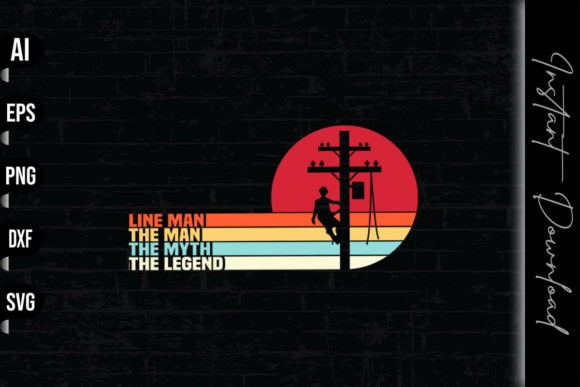
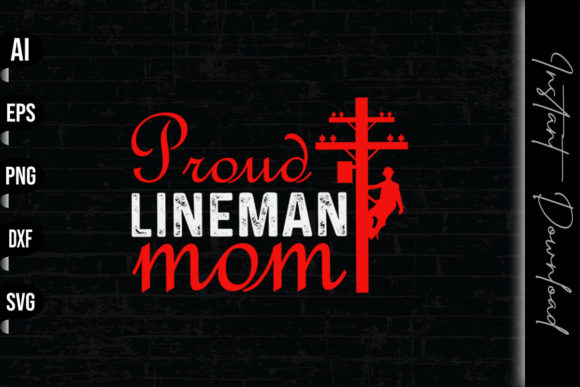
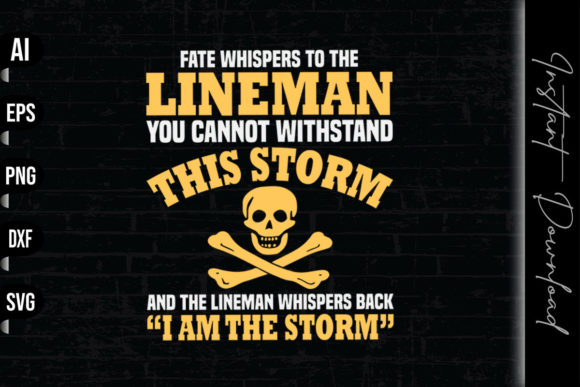
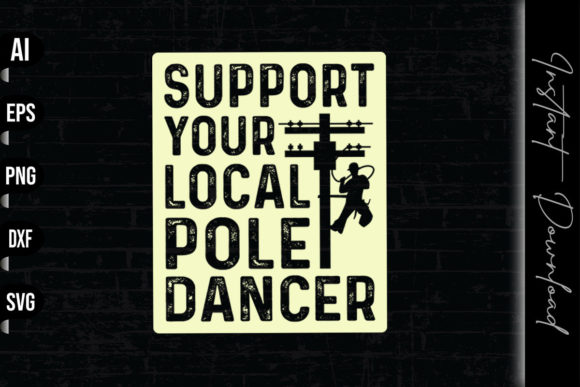
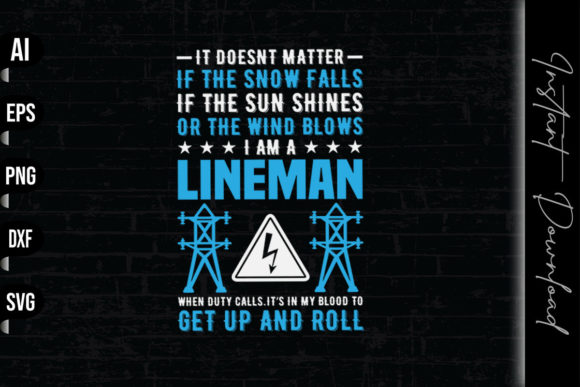
As an embroidery designer with years of experience, I always start by looking at a design’s first impression. Lineman Get Up and Roll immediately catches the eye with its bold, rugged aesthetic that screams utility and nostalgia. The layout is clean, the shapes are well-defined, and the overall composition feels like it belongs on a workwear item or a casual, functional piece of apparel. It’s not just a design—it’s a statement.
The Right Mood for the Right Project
Lineman Get Up and Roll has a strong visual personality. It leans into the industrial, no-nonsense vibe of a lineman’s life—think hard hats, tools, and a sense of determination. This makes it ideal for custom apparel, especially for those who want to create something that feels authentic and grounded. Whether it's a sweatshirt for a construction worker, a tote bag for a tradesperson, or a baby onesie with a touch of rugged charm, this design can fit naturally into a variety of projects.
The detail level is just right—not too intricate, but enough to make the design stand out. It works well with satin stitch and fill stitch techniques, giving it a polished look without overwhelming the fabric. The balance between negative space and filled areas makes it versatile for different types of embroidery projects.
Real-World Embroidery Performance
When I tested Lineman Get Up and Roll on a few different fabrics, it performed consistently well. On a cotton t-shirt, the design came out sharp and clear, with good visibility even on light-colored material. For a heavier sweatshirt, the stitches held up nicely, and the stabilizer helped prevent puckering or distortion.
This design is especially effective for tote bag designs and sweatshirt embroidery. It adds a professional touch without being too flashy. For baby items, the simplicity of the design makes it safe and appropriate, avoiding any overly complex elements that might be distracting or impractical for small children.
One thing to note is that Lineman Get Up and Roll isn’t the best choice for very small hoop sizes. If you’re working on a cap or a patch, you’ll need to ensure the hoop can accommodate the full design. Otherwise, you might end up with uneven stitching or incomplete sections.
Where to Use It Carefully
While Lineman Get Up and Roll is generally versatile, there are a few scenarios where it needs extra attention. On thin or stretchy fabrics, the design may require additional stabilizer to prevent stretching or distortion. Dark fabrics could also pose a challenge if the thread colors don’t contrast well. A white or light-colored thread might not show up as clearly as needed.
If you're planning to use this design on a layered garment or a curved surface like a cap, it’s important to test it first. The corners and edges of the design might not sit as smoothly as expected, and you may need to adjust your hoop placement or stitch density accordingly.
For products that will see frequent washing, such as kitchen towels or aprons, it’s wise to check how the design holds up after multiple cycles. While the design itself is sturdy, the fabric and stabilizer used can affect long-term durability.
Visual Appeal and Customer Perception
Lineman Get Up and Roll has a strong visual appeal that can elevate the value of any handmade product. Its clean lines and thematic consistency make it a great choice for personalized gifts or custom apparel. Customers often look for designs that feel unique and meaningful, and this one checks both boxes.
When it comes to customer trust, a well-executed embroidery project can make a big difference. A design like Lineman Get Up and Roll, when stitched properly, gives off a professional and thoughtful vibe. It shows that the creator put care into the details, which can increase buyer engagement and repeat business.
For small shop products or Etsy listings, this design can be a valuable addition to your collection. It fits well within the handmade and artisanal niche, offering something that feels both practical and stylish. Whether you're selling embroidered patches, tote bags, or holiday gifts, Lineman Get Up and Roll can help you stand out in a crowded market.
Practical Designer Notes
Before using Lineman Get Up and Roll in a real project, I recommend testing it on scrap fabric. This helps you see how the design looks on different materials and how the stitches behave. It also allows you to adjust your settings if needed.
Check the thread color contrast carefully. If you're using a dark fabric, make sure the thread color is bright enough to stand out. For light fabrics, a darker thread might be more appropriate. Also, review the stitch density—too dense and it might cause the fabric to pucker; too light and it might look unfinished.
Confirm the hoop size required for the design. If you're working on a larger project, you might need to break the design into sections or use a larger hoop. Inspect the small details, especially if there’s any tiny lettering or intricate elements. These can sometimes get lost in the stitching process.
Test the design in black and white mockups to see how it looks without color. Compare it against both light and dark fabric backgrounds to ensure it works in all situations. Use the proper stabilizer for the fabric type, and always double-check the licensing terms before selling finished items or digital products.
Final Thoughts
Lineman Get Up and Roll is a solid machine embroidery design that offers both style and functionality. It’s well-suited for a wide range of projects, from custom apparel to personalized gifts and commercial embroidery. With careful consideration of fabric type, hoop size, and stitch settings, it can become a valuable asset in any craft business or handmade shop.
Whether you're an Etsy seller, a small shop owner, or a creative entrepreneur, this design has the potential to enhance your product line and attract customers who appreciate quality and character. Just remember to test it thoroughly and use it where it will shine the brightest.