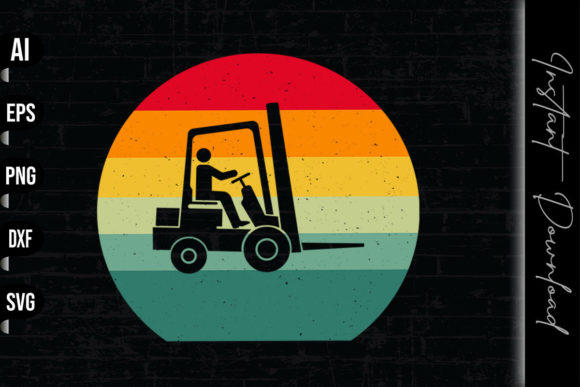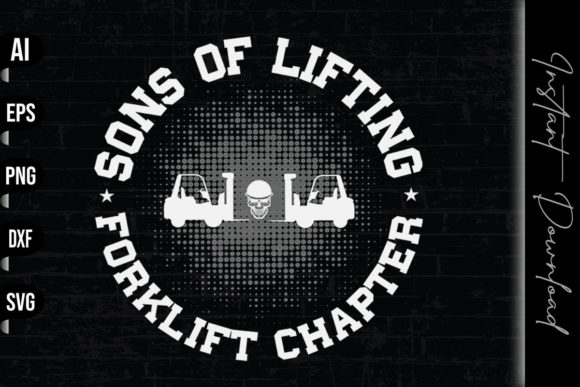
Sons of Lifting Forklift Chapter
First Impressions of a Work-Ready Design
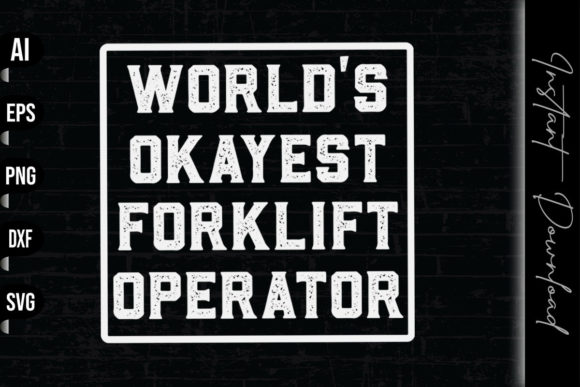
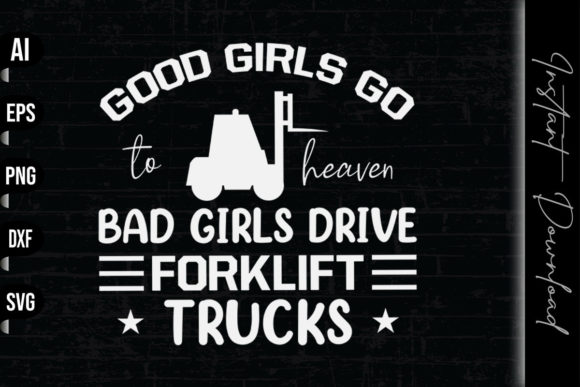
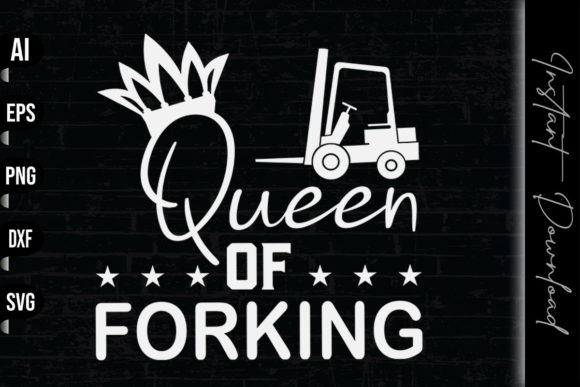
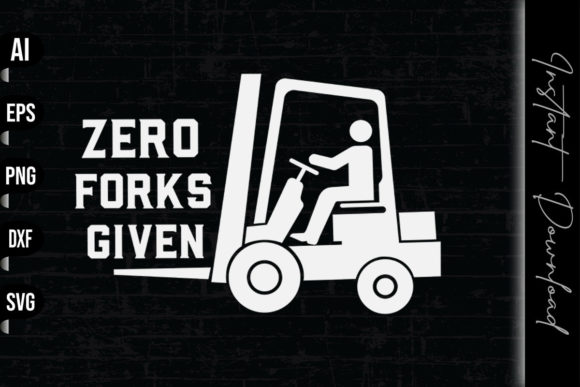
When I first opened Sons of Lifting Forklift Chapter, I expected a straightforward industrial graphic, but the layout has more personality than most forklift-themed designs I have tested. The composition feels balanced without being stiff, and the theme leans into a rugged, blue-collar aesthetic that resonates well with customers looking for custom apparel, embroidered patches, or personalized gifts for warehouse crews, logistics teams, or equipment enthusiasts.
The visual mood is confident and slightly bold, but not aggressive. The shape of the design works naturally on a sweatshirt embroidery placement or a tote bag design because the proportions are wide enough to read clearly without requiring an oversized hoop. For an embroidered patch, the layout holds up well because the elements are not overly crowded. The detail level sits in a sweet spot: enough texture to look custom, but not so many tiny lines that you lose clarity after stitching.
As a machine embroidery design, this embroidery file translates well from a print-ready graphic into thread because the shapes are distinct. When I imported the SVG into my digitizing software, the paths were clean, which saved time on cleanup. If you are used to working with design assets that need heavy editing before they are stitch-ready, you will appreciate how straightforward this one behaves.
Real Project Testing: From Mockup to Finished Product
I prepared a custom embroidered tote bag using Sons of Lifting Forklift Chapter to see how it performed on medium-weight cotton twill. The tote bag design needed to feel sturdy and professional, not flimsy, because I planned to sell it through my small shop product line. After hooping with a tear-away stabilizer and testing a few thread colors, I settled on a black base with bright yellow accents for the forklift element. The contrast popped well, and the satin stitch areas held their shape without puckering.
I also tested the design on a sweatshirt embroidery project using a mid-weight fleece. Here, the stitch density became more noticeable. The fill stitch sections were dense enough to feel substantial but not so heavy that the fabric pulled. I recommend testing on scrap fabric first, especially if you are working with stretchy knits or thin baby embroidery blanks. A medium-weight cutaway stabilizer helped keep the registration tight on the fleece.
For a holiday embroidery custom order, a client requested a set of embroidered patches featuring this design for their warehouse team gifts. The patch format worked beautifully because the design elements are distinct enough to survive trimming and edging. I used a dense satin stitch border, and the inner details remained readable even after washing tests. This design holds up well for commercial embroidery use if you plan to sell finished products.
Where This Design Excels in Real Use
- Custom apparel like hoodies, t-shirts, and work shirts – the layout sits well on chest or back placements without feeling cramped.
- Tote bag design and apron embroidery – the bold shape reads clearly on fabric surfaces that need quick visual recognition.
- Personalized gifts for forklift operators, logistics managers, or warehouse teams – the theme is niche but not obscure.
- Small business merchandise and craft business inventory – the design appeals to a specific audience that often looks for work-related motifs.
- Printable mockup previews and digital product listings – the SVG translates well into clean mockups for Etsy seller listings or design assets bundles.
- Holiday embroidery projects for team gifts – the design feels personal without being overly sentimental.
Where to Use Carefully
Sons of Lifting Forklift Chapter is not a one-size-fits-all design. In small hoop sizes under 4x4 inches, some of the finer details can become muddied, especially if your digitizing software does not automatically adjust stitch density. If you plan to use it on baby embroidery items or small accessories, I recommend scaling the design up slightly or simplifying the most detailed sections manually.
On textured fabrics like heavy fleece or boucle, the fill stitch areas may sink into the nap, reducing contrast. Test on a swatch first before stitching a finished product. For dark fabric, consider using a white or bright underlay to maintain clarity. The design itself is bold enough to handle dark backgrounds, but thread color choice matters more here than with lighter fabrics.
If you are stitching onto curved surfaces like caps or small cylindrical items, the width of the design may require careful hooping or a specialty frame. I tested it on a structured cap front, and while it fit, the outer edges needed extra stabilization to avoid distortion. For stretchy fabric like performance knit tees, a no-stretch stabilizer is essential to keep the lettering and shapes aligned.
Products that need frequent washing like kitchen towels or baby blankets should use high-quality thread and a dense enough stitch count to prevent fraying. The design's open areas are forgiving, but the fill stitch sections benefit from a tighter density if wash durability is a priority.
Visual Appeal, Brand Consistency, and Customer Trust
When a customer sees Sons of Lifting Forklift Chapter on a finished product, the first reaction is usually recognition of the theme, followed by appreciation for the clean layout. In my experience selling handmade products at craft fairs and through my Etsy seller shop, designs that feel both specific and neutral tend to generate more engagement. This design leans into a niche without excluding casual buyers, which is a smart balance for small shop product lines.
The stitching clarity directly affects product value. If the design looks crisp after stitching, customers perceive the item as well-made and worth the price. If the details blur or the registration is off, even a good concept loses trust. I found that Sons of Lifting Forklift Chapter holds its clarity well when digitized with moderate stitch density and sharp satin stitch edges. The design reads as intentional and professional, which builds brand consistency if you use it across multiple product types like custom apparel, embroidered patches, and tote bag design items.
For giftability, this design works especially well for team gifts, retirement presents, or holiday gifts for coworkers. The theme is specific enough to feel personal but broad enough that the recipient does not need to be a forklift expert to appreciate the craftsmanship. That balance is hard to find in niche machine embroidery design work.
Practical Embroidery Designer Notes
Before you commit Sons of Lifting Forklift Chapter to a production run, here are a few steps I always take with any digital embroidery file that started as a printable mockup or SVG:
- Test the design on scrap fabric first. This is not optional. Even clean SVGs can behave differently after digitizing. Run a test stitch on the same fabric type you plan to use for the final product.
- Check thread color contrast. Print the design in grayscale and black-and-white mockups to see if the details still read. If they disappear in monochrome, adjust your thread palette before stitching.
- Review stitch density. Open the file in your embroidery software and inspect the fill stitch and satin stitch areas. If the density is too high for your fabric, reduce it or switch to a lighter underlay.
- Confirm hoop size. Measure the design dimensions against your available hoops. If it barely fits, consider resizing proportionally to avoid distortion.
- Inspect small details. Zoom in on lettering and narrow shapes. If any lines are thinner than 1mm after digitizing, they may break during stitching or disappear on textured fabrics.
- Test on light and dark fabric backgrounds. The same thread color can look dramatically different on white versus black fabric. Stitch both before you list your finished product.
- Use proper stabilizer. For most projects, a medium-weight cutaway stabilizer works well. For stretchy or delicate fabrics, use a no-stretch or fusible stabilizer to keep registration tight.
- Check licensing before selling. If you plan to sell finished products or the digital file itself, confirm the license terms. Some Print Templates and Graphics are for personal use only, while others allow commercial use. When in doubt, contact the seller.
Final Thoughts on Sons of Lifting Forklift Chapter for Your Embroidery Projects
After working with Sons of Lifting Forklift Chapter across multiple product types and fabric weights, I can say it is a solid addition to any craft business or small shop product lineup that serves an industrial or logistics-minded audience. The design is versatile enough for custom apparel, personalized gifts, and embroidered patches, yet specific enough to feel intentional.
The SVG format gives you a clean starting point, but your digitizing choices will determine the final quality. Take the time to test your thread colors, stabilizer, and stitch density before you stitch a production run. If you do, the finished product will look professional, hold up to washing, and earn trust from your customers whether you sell at a craft fair, on Etsy, or through custom orders.
For Etsy sellers and creative entrepreneurs looking for a machine embroidery design that bridges the gap between niche and marketable, this one is worth a test stitch. It is not a universal design, but for the right audience, it delivers strong visual appeal and solid stitching clarity that translates into real handmade product value.