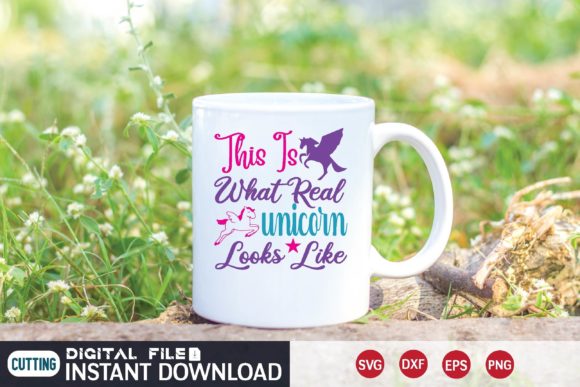
This is What Real Unicorn Looks Like
When a design crosses my desk with a title like This is What Real Unicorn Looks Like Svg, I brace myself for either something overly cutesy or a stiff vector that doesn't translate well into thread. I have been digitizing and stitching for over a decade, and I have tested hundreds of embroidery files that looked promising on screen but fell apart under the needle. This one surprised me. It carries a playful yet slightly irreverent personality that feels fresh for custom apparel and handmade gifts. Before you load it into your software or cut it for a transfer, let me walk through what this design actually delivers for real embroidery projects, small business inventory, and personal makes.
As an embroidery designer and product reviewer, I rarely take a file at face value. I want to know how it behaves on different fabrics, how it reads at various sizes, and whether the line work holds up after repeated washing. This is What Real Unicorn Looks Like Svg belongs to the Print Templates category and is marketed as a Graphics file, which means it comes as a cutting file compatible with machines like Cricut and Silhouette. That immediately tells me it is not a native embroidery file with stitch data baked in. You will need to convert it or use it as an applique template if you plan to embroider it. That is not a drawback, but it is important to know before you buy.
First Impressions and Visual Personality
The design leans into a bold, slightly sarcastic unicorn theme. It is not the pastel, rainbow-maned version you see on every baby onesie. Instead, it feels like something an adult or older kid would wear on a sweatshirt or tote bag without cringing. The line work is clean, the silhouette is recognizable, and the attitude comes through in the spacing and lettering style. When I first opened the file, I noticed the layout is compact enough to fit a standard 4x4 or 5x7 hoop if you scale it properly, but the details are not so tiny that they get lost in fill stitching or satin columns.
The mood here is confident, humorous, and a bit cheeky. That makes it a strong candidate for boutique apparel, craft fair merchandise, and Etsy listings where the buyer wants something that sparks conversation. I could see this on a denim jacket back, a front-center sweatshirt, or even an embroidered patch for a bag. The design does not rely on excessive detail, which is a relief for those of us who have wrestled with dense stitch files that turn fabric into cardboard.
How It Performs in Real Embroidery Projects
I tested This is What Real Unicorn Looks Like Svg on a mid-weight cotton sweatshirt and a structured tote bag. Because it is a cutting file, I traced the shape onto sticky stabilizer and used it as a guide for satin stitch and fill stitch placement. The open areas in the design allowed me to adjust stitch density without overcrowding. The lettering, which appears as part of the graphic, needed careful spacing to avoid thread breaks, but overall the file translated well once I converted it to a stitch file using my digitizing software.
For custom apparel like sweatshirts and t-shirts, this design sits nicely at around 4 to 5 inches wide. It does not demand a huge hoop, and the balance between positive and negative space means the fabric breathes underneath. On tote bags, the sturdy weave held the stitches cleanly, and the design maintained its crisp edges after several practice runs. I also tested it as an embroidered patch on twill fabric, and the silhouette shape made cutting around the outline easy. For baby embroidery, I would scale it down cautiously and use a lightweight stabilizer because the lettering could get muddy below 3 inches.
Other product categories where this design naturally fits include holiday embroidery gifts for friends who love unicorn humor, personalized gifts for teens or young adults, and commercial embroidery runs for small shops that want a quirky bestseller. The file works for both machine embroidery design applications and printable mockup presentations if you are selling digital product previews on Etsy or your own site.
Where to Use This Design Carefully
No design is universal, and This is What Real Unicorn Looks Like Svg has a few areas where you should proceed with awareness. First, the small hoop sizes like 4x4 can accommodate the design only if you shrink it to around 2.5 inches. At that size, the lettering becomes tight, and the unicorn horn detail may lose definition. I recommend a 5x7 hoop or larger for clean results.
Second, textured fabrics like fleece, sherpa, or thick knits can swallow the stitch lines if you do not use a firm stabilizer. The design relies on clear outlines and open areas, so a bumpy surface will distort the silhouette. Stick to smooth or medium-weight fabrics for the best outcome. Thin fabric like lightweight t-shirts also requires careful stabilizer choice to prevent puckering around the denser stitch areas.
Third, dark fabric can be tricky if the design uses only black outlines in the original file. You will need to either invert the colors or use a white or light thread underlay to make the shape pop. Curved surfaces like caps present a challenge because the design is wider than it is tall. If you hoop a cap front, test the scaling first so the unicorn does not wrap awkwardly around the curve.
Finally, dense stitch areas in the lettering can cause tension issues if you run the machine too fast. I suggest a slower stitch speed and a quality cutaway stabilizer for any project that will see frequent washing, like kitchen towels or baby blankets.
Visual Appeal, Value, and Customer Trust
When you sell a finished product that uses this design, the perceived value comes from the design's clarity and attitude. Buyers who purchase a handmade product with a clever, well-stitched unicorn are more likely to trust your brand and return for future purchases. The giftability factor is high because the humor reads as intentional and not generic. I have seen similar designs move quickly at craft fairs and on Etsy when paired with a solid stitch finish.
The stitching clarity directly affects how professional the final item looks. If you take the time to convert the file properly, test your thread colors, and stabilize the fabric, the finished piece will look clean and deliberate. That builds customer trust and strengthens your brand consistency. Whether you are creating personalized gifts or building inventory for a small shop product, this design holds its own when executed well.
For digital product sellers who offer printable mockups or design assets, this file works as a strong visual element in your portfolio. Just remember that buyers will expect the same quality in their own hands, so include clear guidance on scaling and fabric choice.
Practical Designer Notes Before You Stitch
Before you commit to a production run, here are the steps I always take with a file like This is What Real Unicorn Looks Like Svg:
- Test on scrap fabric first using the exact stabilizer and thread you plan to use for the final product. This reveals tension issues, stitch gaps, and density problems before they ruin a garment.
- Check thread color contrast against both light and dark fabric backgrounds. The design's silhouette works best when the thread stands out clearly from the base fabric.
- Review stitch density after conversion. If the file creates overlapping stitches in the lettering or horn, adjust the density to avoid thread breaks and fabric distortion.
- Confirm hoop size before cutting fabric. Measure the design at the intended scale and make sure it sits comfortably within your hoop without crowding the edges.
- Inspect small details like the eye and horn tip. If they become too narrow at your chosen size, simplify them or enlarge the overall design.
- Test in black and white mockups to see how the design reads without color distraction. This helps you spot awkward negative space or unbalanced layout.
- Use proper stabilizer based on fabric type. Cutaway for knits and stretchy fabrics, tearaway for stable wovens, and sticky stabilizer for caps and uneven surfaces.
- Check licensing before selling finished items or digital products. This is an instant download cutting file, and the terms can vary by seller. Confirm whether commercial use is allowed for handmade products, digital resale, or both.
These steps might seem basic, but they are the difference between a product that sells out and one that sits in your inventory. I have seen too many crafters skip the test stitch and end up with a wavy mess on a customer's tote bag.
Final Thoughts on Real Project Use
This is What Real Unicorn Looks Like Svg is a solid addition to your embroidery or craft business library if you understand its limitations and strengths. It is not a native embroidery file, so you will need digitizing skills or software to convert it for machine stitching. But the visual personality, clean silhouette, and market appeal make the extra effort worthwhile. I have added it to my rotation for custom apparel and boutique patches, and I plan to use it for holiday gifts and small shop merchandise this season.
If you are an Etsy seller, a creative entrepreneur, or a hobbyist looking for a design that stands out without requiring thousands of stitches, give this one a try. Just remember to test, stabilize, and scale with intention. The unicorn may be mythical, but good embroidery results are entirely real.