Wild One Embroidery Design Review
As an embroidery designer and product reviewer, I’ve evaluated countless machine embroidery designs. Wild One stands out for its bold character and versatility, but it’s not a one-size-fits-all solution. Let me walk through how this design performs in real-world projects and where it truly shines.
The First Impression: A Bold Statement
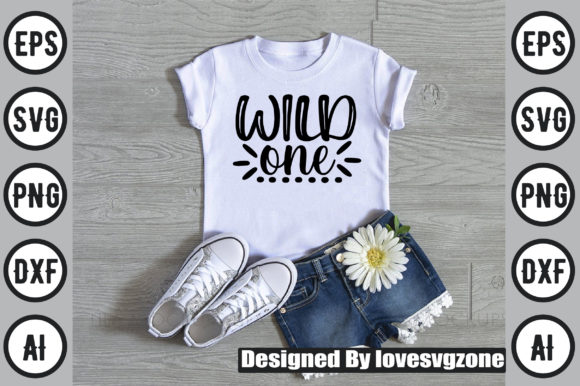
Wild One immediately evokes a sense of adventure and freedom. The design features a stylized animal or figure with strong lines and a dynamic pose. It’s ideal for projects that aim to make a statement—think custom apparel, embroidered patches, or eye-catching tote bags. The layout is clean, with enough detail to be visually engaging without being overwhelming.
This is a design that feels right at home on casual wear, especially for those who want to express individuality. Its visual personality leans toward edgy and expressive, making it perfect for men’s and women’s t-shirts, sweatshirts, or even baby onesies with a twist.
Real-World Use Cases: Where Wild One Excels
Wild One works well in a variety of embroidery projects. For example, when used on a custom tote bag, it adds a unique touch that catches the eye. On a sweatshirt, it can be the focal point of a minimalist design, drawing attention without clashing with other elements.
It also has potential as a baby item, such as a onesie or blanket. The design’s simplicity allows it to be both stylish and safe for delicate fabrics. When applied to a patch, it becomes a standout element for jackets, backpacks, or caps.
For small business owners and Etsy sellers, Wild One could be a great addition to a collection of printable mockups or digital design assets. Its adaptability makes it suitable for personal use, handmade gifts, or commercial products like aprons, tea towels, or holiday decorations.
Where to Be Cautious: Limitations and Considerations
While Wild One is versatile, it’s not without limitations. The design’s details may not translate well on small hoop sizes, which can lead to distorted stitching or incomplete coverage. If you’re working on a cap or a curved surface, you’ll need to adjust your approach to ensure the design sits correctly on the fabric.
On thin or stretchy fabrics, the stitch density might cause puckering or visible distortion. This is especially true if the design includes dense fill stitches. For dark fabrics, the thread color contrast is crucial—make sure the chosen thread complements the background to avoid a muddy appearance.
If you’re planning to use Wild One on layered garments or textured materials, test it first. The design’s complexity may not work well on items like denim or fleece, where the texture can interfere with the embroidery’s clarity.
Impact on Visual Appeal and Customer Perception
When executed properly, Wild One elevates the visual appeal of any project. Its boldness can turn a simple t-shirt into a standout piece, increasing the perceived value of the finished product. For handmade shops and craft businesses, this design can help build brand consistency, especially if it aligns with your overall aesthetic.
Customers often respond positively to unique, expressive designs. Wild One has the potential to enhance giftability, making it a great choice for personalized gifts or holiday items. It also supports buyer engagement, as its distinct style can spark conversations and encourage repeat purchases.
From a professional standpoint, using Wild One in commercial embroidery projects requires careful consideration. Ensure that the design meets quality standards and that all technical aspects—like stabilizer use and stitch density—are addressed before finalizing the project.
Practical Designer Notes: Testing and Preparation
Before committing to a full project, always test Wild One on scrap fabric. This helps identify any issues with stitch placement, thread color, or fabric compatibility. Pay close attention to the design’s small details—tiny lettering or intricate corners may require adjustments.
Check how the design looks in black and white mockups. This can reveal hidden problems that might not be obvious in color. Also, compare it against both light and dark fabric backgrounds to ensure visibility and contrast.
Use the proper stabilizer for the fabric you’re working with. This prevents shifting and ensures clean, even stitching. Confirm that the design is suitable for both personal and commercial use, and always verify the licensing terms before selling finished items or digital products.
Final Thoughts: Is Wild One Right for Your Projects?
Wild One is a strong design for those looking to add a touch of personality to their embroidery projects. It works best on flat, smooth surfaces and in designs that benefit from bold, clear lines. While it has some limitations, its versatility and visual impact make it a valuable asset for many types of embroidery work.
Whether you're creating custom apparel, personalized gifts, or small shop merchandise, Wild One has the potential to enhance your offerings. Just remember to test it thoroughly and consider the specific needs of your project before moving forward.